
Contact us!
If you have any questions, please fill out


Astigmatism, a common eye condition causing blurred or distorted vision, can be a frustrating experience for many. For those tired of relying on glasses or contact lenses, laser eye surgery presents a hopeful alternative. But can laser eye surgery really fix astigmatism? The short answer is yes. With advanced techniques like LASIK and PRK, laser eye surgery can effectively correct astigmatism, offering long-lasting results and improved clarity.
In this article, we’ll delve deep into how laser eye surgery works for astigmatism, the benefits and risks, and what patients can expect during and after the procedure.
Astigmatism occurs when the cornea or lens of the eye is irregularly shaped. Instead of being round like a basketball, the eye may be more oval, like a football. This irregularity causes light to scatter rather than focus properly on the retina, resulting in blurry or distorted vision. Many people with astigmatism also experience headaches, eye strain, or difficulty seeing at night.
There are two main types of astigmatism: corneal astigmatism, where the cornea has an irregular shape, and lenticular astigmatism, caused by an irregularly shaped lens. Both types can be corrected by laser eye surgery, but corneal astigmatism is more commonly treated with these procedures.

Laser eye surgery, particularly LASIK (Laser-Assisted In Situ Keratomileusis) and PRK (Photorefractive Keratectomy), works by reshaping the cornea so that light can focus correctly on the retina. Here’s how these procedures work to fix astigmatism:
Pre-Surgery Mapping: Before the surgery, the eye is carefully mapped using advanced imaging technology to measure the shape of the cornea and determine the degree of astigmatism. This ensures the laser is precisely calibrated for each patient’s unique eye structure.
Reshaping the Cornea: During the procedure, the surgeon uses a highly focused laser beam to remove tiny amounts of corneal tissue. This reshaping process corrects the cornea’s irregular shape, allowing light to focus properly on the retina.
Vision Correction: By correcting the shape of the cornea, the surgery can eliminate or significantly reduce astigmatism. This typically results in clearer, sharper vision, reducing or eliminating the need for glasses or contact lenses.
Both LASIK and PRK are effective at treating astigmatism, although the choice of procedure depends on the patient’s eye health and preferences. LASIK offers quicker recovery times, while PRK may be better suited for those with thinner corneas.
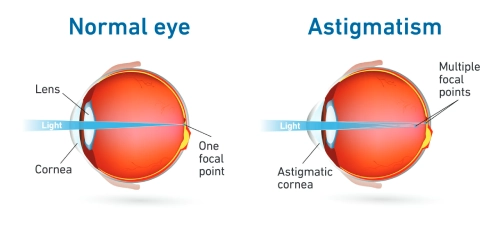
The advantages of using laser eye surgery to fix astigmatism are numerous. For many, it represents the possibility of living without corrective lenses and experiencing clear vision for the first time. Here are some key benefits:
One of the most common questions patients ask is whether laser eye surgery can fix high levels of astigmatism. The answer is often yes, but it depends on the severity and type of astigmatism. Modern laser technology can correct moderate to high levels of astigmatism, up to around 6 diopters in many cases. However, for very severe cases, other treatments like implantable lenses or customized LASIK procedures may be recommended.
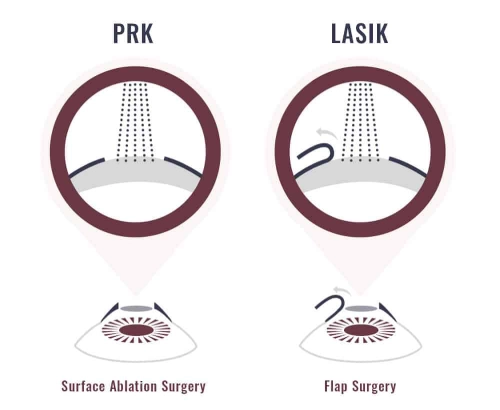
There are several different laser eye surgery techniques available for fixing astigmatism, with the two most popular being LASIK and PRK. Here’s a breakdown of how each method works:
LASIK: During LASIK, the surgeon creates a thin flap in the cornea, which is lifted to allow access to the underlying tissue. The laser then reshapes the cornea, and the flap is replaced. LASIK offers fast recovery times, and most patients notice significant improvement in their vision within days.
PRK: PRK involves removing the outer layer of the cornea before reshaping the underlying tissue. While the recovery time for PRK is longer than for LASIK, it’s a better option for patients with thin corneas or those at risk of complications.
Both techniques are highly effective at correcting astigmatism, with success rates exceeding 95% in many studies. However, your eye surgeon will recommend the best option based on your specific needs.
After undergoing laser eye surgery to fix astigmatism, post-surgery care is essential for achieving the best results. Following the surgeon’s advice can help speed up recovery and ensure the surgery’s success. Some key points to keep in mind include:
While laser eye surgery is generally safe and effective, it’s important to be aware of potential risks and side effects. These can include:
These risks are minimal, especially when the procedure is performed by a skilled and experienced surgeon. A thorough pre-operative consultation can help minimize the chances of complications.
Conclusion
For many people with astigmatism, laser eye surgery offers a life-changing opportunity to enjoy clear, crisp vision without the need for corrective lenses. Procedures like LASIK and PRK have been proven to effectively fix astigmatism by reshaping the cornea, allowing light to focus properly on the retina. While not everyone is a candidate for laser eye surgery, most patients can expect excellent results with minimal risks. As technology continues to advance, more people can benefit from these procedures, improving their vision and quality of life.
If you’re considering laser eye surgery to fix astigmatism, consult with an experienced eye surgeon to determine the best course of action. With the right procedure and proper post-operative care, you can look forward to clearer vision and newfound freedom from glasses or contacts.