
Contact us!
If you have any questions, please fill out

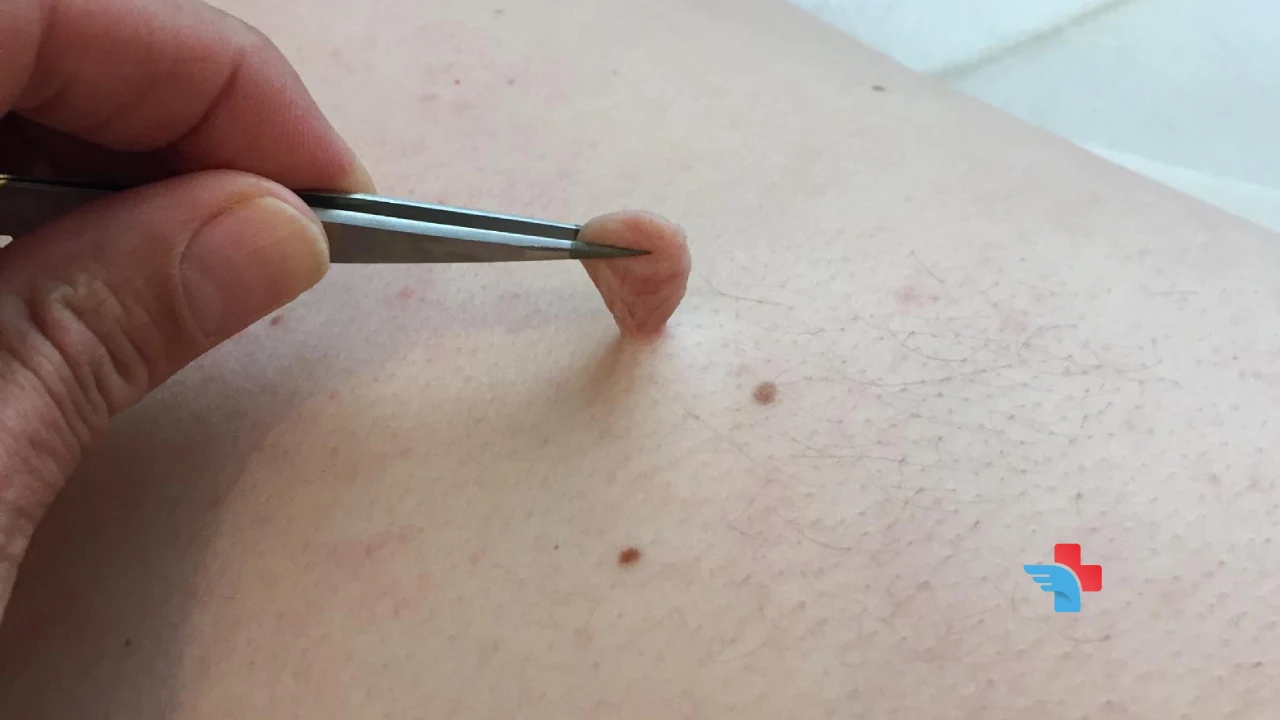
Skin tags are harmless, small growths that often appear on the neck, armpits, eyelids, and other areas where the skin folds. While they are usually painless, many people find them bothersome, especially if they snag on clothing or jewelry. Whether for cosmetic reasons or comfort, getting rid of skin tags can be easily achieved through natural remedies or professional treatments. In this article of GOMED explore these methods in detail.
Skin tags, medically known as acrochordons, are small, benign tumors that commonly appear where the skin creases or rubs against itself. These soft growths are attached to the skin by a thin stalk and are typically flesh-colored or slightly darker. While they are not harmful, many people prefer to remove them for aesthetic reasons or due to irritation caused by friction.
Several factors can lead to the formation of skin tags. The most common cause of skin tags is friction, especially in areas where skin rubs against itself, such as the neck, armpits, or groin. Other contributing factors include:

In most cases, skin tags are completely benign and do not pose any health risk. However, if a skin tag changes in color, size, or shape, it’s essential to consult a healthcare provider. While rare, changes in a skin tag’s appearance could signal other underlying conditions that need medical attention.
If you’re looking for at-home solutions to remove skin tags, several natural remedies can help. These treatments involve applying certain substances to the skin tag to dry it out and eventually cause it to fall off. Popular natural methods include:
Tea Tree Oil: This essential oil has antifungal and antibacterial properties, making it a popular choice for skin tag removal. Apply a few drops of tea tree oil to a cotton ball and secure it to the skin tag with a bandage. Repeat this process twice a day until the tag dries out and falls off.
Apple Cider Vinegar: Known for its acidic properties, apple cider vinegar can help break down the tissue of the skin tag. Soak a cotton ball in apple cider vinegar and apply it to the tag for 10-15 minutes daily until it shrinks.
Vitamin E Oil: Vitamin E is known for its skin-healing properties and can help reduce the size of skin tags. Apply vitamin E oil directly to the tag and cover it with a bandage. Repeat the process daily.

Tea tree oil is one of the most widely recommended natural remedies for skin tag removal. Its antiviral and antifungal properties can help dry out the skin tag, causing it to fall off. To use tea tree oil:
Be sure to test the oil on a small patch of skin first to ensure no allergic reactions occur.

Apple cider vinegar is another effective home remedy that works by drying out the skin tag. To use apple cider vinegar:
This method can take a few weeks, but many users report success with consistent application.
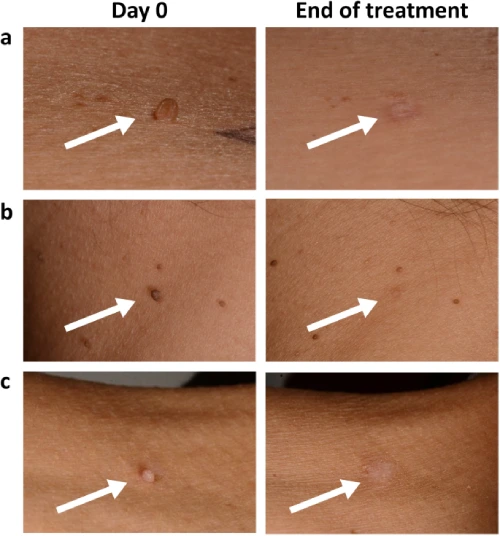
If natural remedies don’t appeal to you, several over-the-counter (OTC) treatments are available. These treatments are designed to either dry out the skin tag or freeze it off. Some popular OTC solutions include:
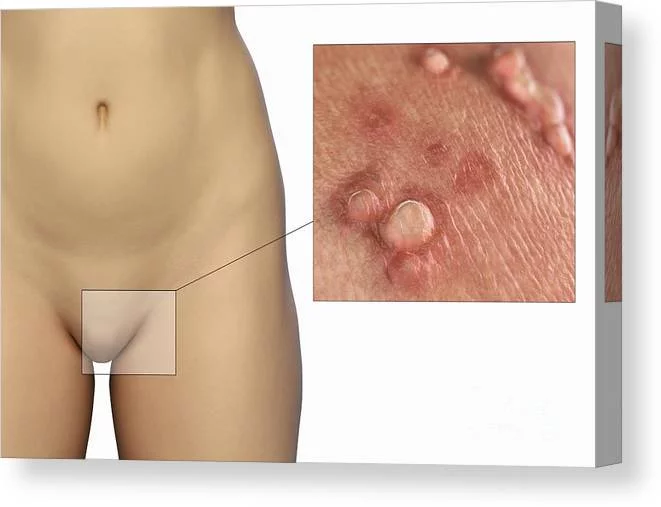
Skin tags may occur due to the presence of the human papilloma virus in the body. But, it should be noted that skin tags and genital warts have differences. Skin tags and genital warts can appear as a single bump or grow in clusters. But it is also possible that after some time additional tags or warts appear in the same area.
In this situation, you will encounter usually small bumps that make it harder to tell the difference between a wart and a tag. In this situation, it is better to pay attention to the obvious differences between the two.
Skin tags in the genital area are actually soft tissue fibroids or small, flesh-colored appendages that appear in the genital organs. These skin tags grow in the early stages but grow very slowly in the later stages.
The important thing you should not forget is that vaginal skin tags are less common than other types of skin tags. Its cause is attributed to the wetness of the vagina. But this is despite the fact that skin tag appendages can rarely be seen in the labia.
But if we take a look at genital warts, we can see slightly raised skin growths on the genitals and anus that are sometimes skin-colored and sometimes pink or a little darker. The most important difference between a skin tag and a genital wart is that a genital wart can easily be transferred to other organs of the same person or spread to a sexual partner.
Conclusion
Getting rid of skin tags is a relatively simple process, whether you choose natural remedies or professional treatments. While skin tags are harmless, removing them can boost your confidence and comfort. Always consult a healthcare provider if you have any concerns about your skin tags or the best method of removal for your situation.