

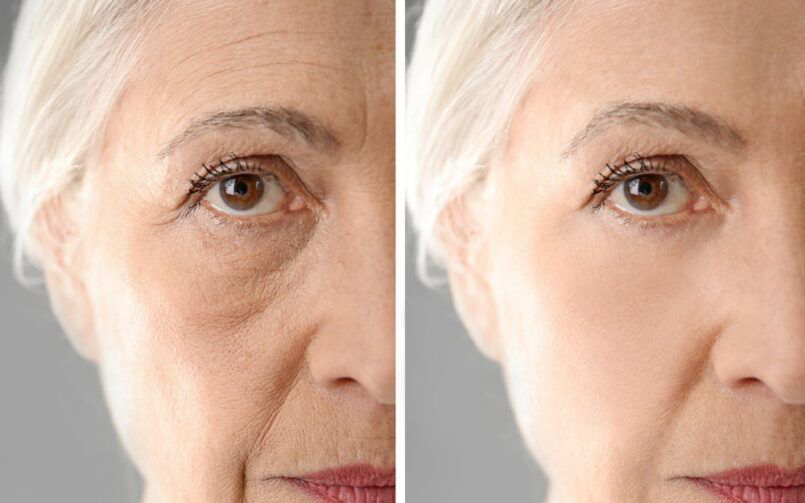
In the quest for a youthful appearance, the deep plane facelift stands out as a pinnacle of facial rejuvenation techniques. This advanced procedure, often referred to as a subcutaneous face lifting or a deep tissue rhytidectomy, offers a transformative solution for those seeking to reverse the signs of aging. In this article, we delve into the intricacies of the deep plane facelift, exploring its benefits, techniques, risks, and what patients can expect from this comprehensive procedure.
Understanding the Deep Plane Facelift
At its core, a deep plane facelift is a surgical technique that addresses aging at a more profound level than traditional facelifts. Unlike the mini facelift or midface lift, which targets superficial layers, this method involves repositioning the SMAS layer (Superficial Muscular Aponeurotic System) – a layer of tissue that covers the facial muscles. This approach not only tightens the skin but also repositions the underlying muscle and tissue, offering a more natural and long-lasting result.
Benefits of Deep Plane Facelift
The primary allure of a deep plane facelift lies in its ability to dramatically rejuvenate facial contours. It addresses multiple signs of aging, such as sagging skin, jowls, and deep wrinkles, providing a more youthful and refreshed appearance. Unlike simpler procedures like the brow lift or neck lift, the deep plane method offers comprehensive changes, resulting in a harmonious and balanced look.

Risks and Considerations
As with any surgical procedure, there are risks involved. These include standard surgical risks, recovery time considerations, potential scarring, and anesthesia complications. A detailed preoperative consultation with a board-certified plastic surgeon is crucial to understand these risks and to determine if this procedure aligns with your cosmetic goals and medical history.
The Surgical Procedure
A deep plane facelift typically involves incision techniques that are hidden within the hairline or natural skin folds. Surgeons may use endoscopic techniques to minimize scarring and enhance precision. The dissection tools and suture methods used are chosen to ensure the safety and efficacy of the procedure. The layered closure technique helps in reducing visible scarring and enhancing the healing process.
Choosing the Right Surgeon
Selecting a facial rejuvenation expert, especially a board-certified plastic surgeon with extensive experience in aesthetic surgery, is critical. Their expertise in cosmetic surgery and surgical precision plays a significant role in the success of the procedure. It’s also essential to consider the surgeon’s experience with deep plane techniques specifically.
Postoperative Care and Recovery
After the surgery, patients undergo a healing process that requires diligent follow-up appointments and postoperative care. Scar management, pain management, and adherence to activity restrictions are vital for a smooth recovery. Proper postoperative care ensures not only the best aesthetic outcome but also a safe and comfortable recovery journey.
Conclusion
The deep plane facelift, with its ability to provide a youthful appearance, tightened skin, and long-lasting results, stands as a testament to the advancements in cosmetic surgery. It goes beyond the scope of procedures like rhinoplasty or simple skin elasticity treatments, offering a holistic approach to facial aging. With the right preparation, surgeon, and care, it can be a transformative experience for those seeking to turn back the clock on their appearance.