Butt reduction surgery, often referred to as gluteal reduction, is a sought-after procedure for individuals aiming to achieve a balanced, proportional body shape or resolve medical concerns related to overly large buttocks. In this comprehensive guide, we’ll explore the ins and outs of butt reduction surgery, including the procedures, benefits, costs, and recovery process. Whether for aesthetic purposes or to improve quality of life, this procedure offers transformative results for the right candidates.
What Is Butt Reduction Surgery?
Butt reduction surgery is a cosmetic procedure designed to decrease the size of the buttocks by removing excess fat, tissue, or skin. This helps patients achieve a more proportional figure that aligns with their body structure and personal preferences. While similar procedures like a butt lift aim to enhance or reshape the area, butt reduction focuses specifically on minimizing size.
In many cases, patients choose this surgery as part of a larger body contouring plan, combining it with other procedures like liposuction in Iran, tummy tuck in Iran , or thigh lifts to create a cohesive silhouette.
Why People Choose Butt Reduction Surgery
The decision to undergo butt reduction surgery is deeply personal and varies from one individual to another. Common motivations include:
- Aesthetic Goals: Many patients desire a slimmer, more proportionate appearance that better matches their overall body frame.
- Medical Concerns: Large buttocks can cause discomfort, back pain, or difficulty in physical activity due to the extra weight and strain.
- Practical Considerations: A smaller butt size may make it easier to find well-fitting clothing and improve overall mobility.
Aside from physical improvements, patients often report psychological benefits, including increased self-esteem and body confidence after the surgery.
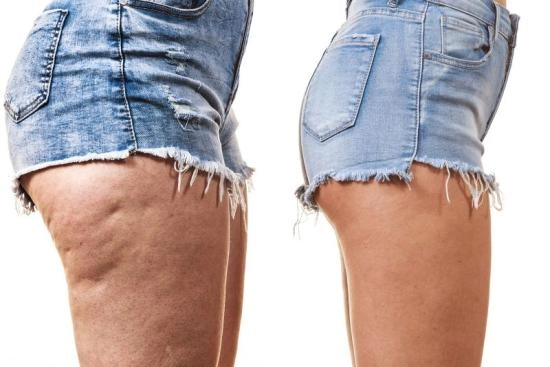
Different Types of Butt Reduction Procedures
There are several options for reducing the size of the buttocks, each tailored to the patient’s unique needs and preferences:
- Liposuction: Involves suctioning out excess fat deposits for contouring and size reduction.
- Excisional Surgery: A more invasive method that removes both fat and skin for significant size adjustments.
- Non-Surgical Alternatives: Technologies like cryolipolysis (fat freezing) or high-frequency ultrasound provide subtle results without surgery.
Understanding the benefits and limitations of each method is crucial for choosing the right approach.
Liposuction for Butt Reduction
Liposuction remains a popular method for those seeking minimally invasive options. This procedure uses a thin, hollow tube called a cannula, which is inserted through small incisions to break up and suction out excess fat.
- Who It’s For: Patients with good skin elasticity and moderate fat deposits.
- Advantages: Minimal scarring, faster recovery, and customizable contouring results.
- Limitations: Liposuction cannot address sagging skin or provide drastic size reductions.
Excisional Butt Reduction Surgery
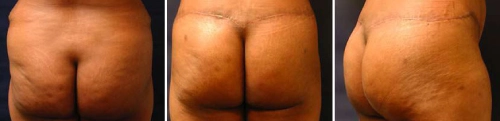
For patients requiring more substantial size reduction, excisional surgery may be recommended. This involves surgical removal of fat and skin, often under general anesthesia.
- Surgical Techniques: Surgeons use precise incisions to remove tissue, ensuring symmetry and natural contours.
- Recovery Time: Patients may need 4–6 weeks to recover fully, with visible swelling lasting for a few months.
- Results: Significant reduction in size, often combined with improved firmness.
Non-Surgical Alternatives
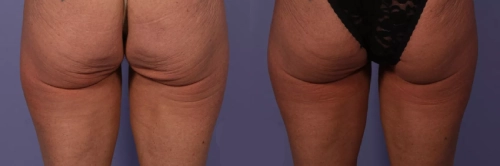
Not every patient is ready for surgery. Non-invasive technologies offer an alternative, especially for those seeking mild to moderate reductions:
- Cryolipolysis: Uses cold temperatures to freeze and break down fat cells, which are gradually eliminated by the body.
- Radiofrequency Treatments: Heat-based methods that shrink fat cells and tighten skin.
While these methods have shorter recovery times, they often require multiple sessions and may not provide results as dramatic as surgery.
Who Is a Good Candidate for Butt Reduction Surgery?
Ideal candidates for this procedure share certain characteristics:
- Good Overall Health: Free from conditions like heart disease or uncontrolled diabetes.
- Realistic Expectations: Understanding the limitations and potential outcomes of surgery.
- Specific Goals: Patients seeking proportionality, improved mobility, or relief from medical issues.
Pre-Surgery Preparations
Before undergoing butt reduction surgery, patients need to follow specific steps to ensure a smooth experience:
- Consultation: Meet with a qualified surgeon to discuss goals, evaluate health, and review options.
- Medical Tests: Bloodwork and other screenings may be required.
- Preoperative Instructions: Avoid smoking, certain medications, and heavy meals before surgery.
How the Surgery Is Performed
The procedure varies depending on the technique used:
- Liposuction: Involves small incisions, insertion of the cannula, and suctioning of fat.
- Excisional Surgery: Larger incisions allow for the removal of both fat and skin, followed by careful suturing for symmetry.
Patients typically receive general anesthesia, and the entire procedure lasts 2–4 hours.
What to Expect During Recovery
Recovery time can differ based on the procedure’s extent:
- Initial Healing: Swelling, bruising, and discomfort are common in the first 1–2 weeks.
- Activity Restrictions: Patients must avoid strenuous activities and sitting for prolonged periods.
- Long-Term Care: Compression garments help minimize swelling and improve contouring results.
Potential Risks and Complications
Like any surgical procedure, butt reduction surgery carries risks, including:
- Infection
- Scarring
- Asymmetry
- Blood clots
Choosing a qualified surgeon significantly reduces these risks.
Cost of Butt Reduction Surgery in Iran
- Brazilian Butt Lift (BBL): While primarily used for augmentation, a reduction can involve fat removal through liposuction. The costs for similar procedures in Iran range from $1,500 to $3,000, significantly lower than in countries like the USA, where it can exceed $9,000
- Traditional Liposuction: Used for targeted fat removal, costing $1,500 to $2,500
Insurance typically does not cover cosmetic procedures, although medically necessary surgeries might be an exception.
Choosing the Right Surgeon
Selecting an experienced, board-certified surgeon is crucial. Look for:
- Patient reviews and before-and-after photos.
- Credentials and affiliations with professional organizations.
- Clear communication and transparent pricing.
Benefits of Butt Reduction Surgery
- Enhanced proportions and silhouette.
- Relief from physical discomfort.
- Improved self-confidence and mental well-being.
Conclusion
Butt reduction surgery offers a viable solution for those seeking a smaller, more proportionate appearance or relief from physical issues caused by oversized buttocks. By understanding the options, risks, and recovery process, patients can make informed decisions that align with their goals.